


Teach and learn psychology for free.
Traditional textbooks are history. The Noba approach is the way of the future.
James Pennebaker


 Except where otherwise noted, content on this site is licensed under
a Creative Commons Attribution-NonCommercial-ShareAlike 4.0 International License.
Textbooks from the Noba Collection.
Expertly compiled from Noba modules to fit the scope and sequence of common courses. Use them as-is or customize them to fit your needs. Instructor manual, PowerPoint presentations, and test bank available for many modules.
Take a closer look- Developmental Psychology
- Aging
- Cognitive Development in Childhood
- Social and Personality Development in Childhood
Customize Noba textbooks or build your own.
Use Noba books as a starting point; add additional modules from our catalog or remove any that don't fit your course. You can even start from scratch and build a textbook that's all your own.
Comprehensive content from ADHD to Z.
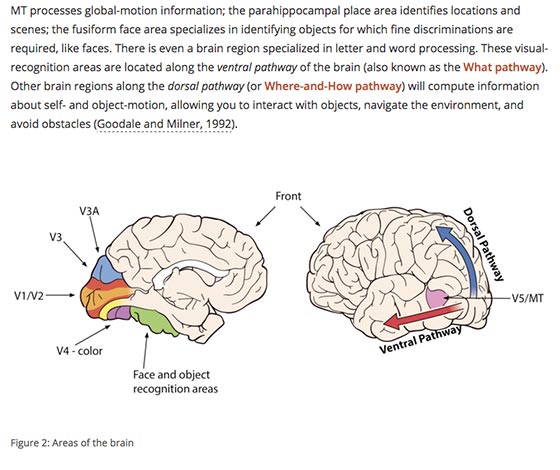
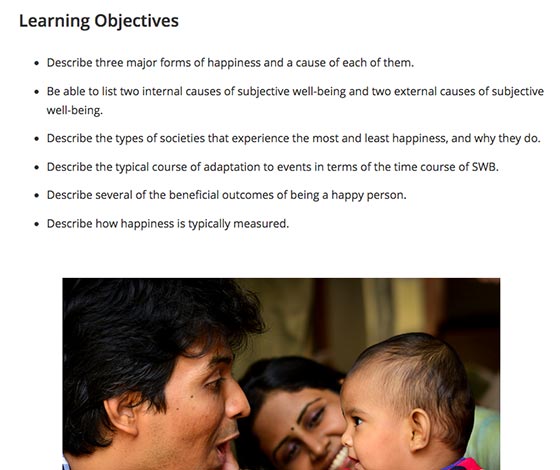
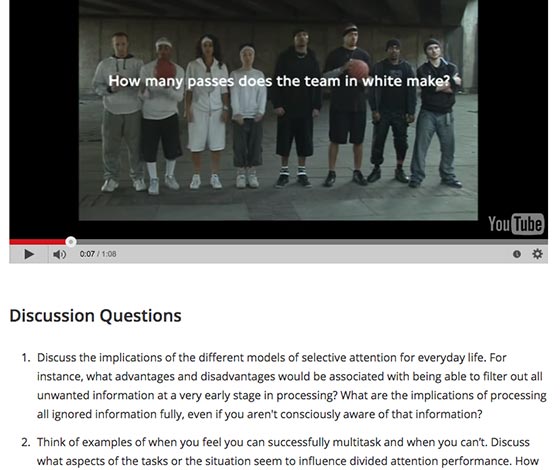
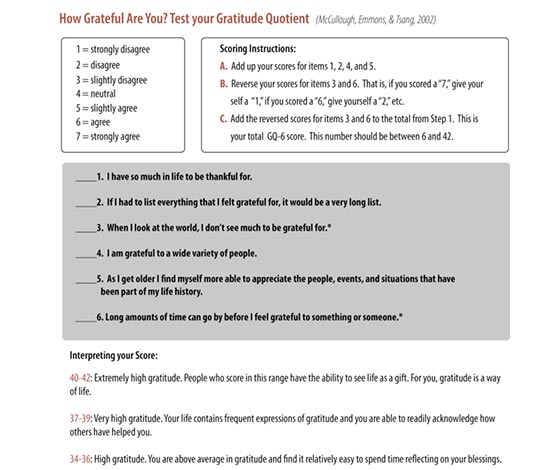
The Noba catalog covers the traditional scope of introductory psychology and then some. With 105 modules (and counting) we're confident you'll find what you're looking for.
Browse Noba Modules & Topics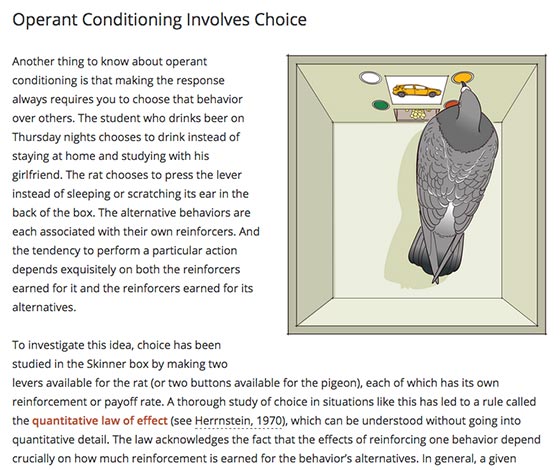
Used by colleges and universities from around the world.
When students ask me what text I use in Introductory Psychology and how much it will cost them, I get to tell them, “It's new, it's free, and it's written by experts in psychology!” Noba combines authoritative modules with unmatched accessibility and ease of use.
Using NOBA was an extraordinary success. I used it as both a teaching and testing tool to the overwhelming approval of my students. They felt it was interesting, engaging and helpful across the board. All in all, we (students and professor alike) loved Noba.
Using the NOBA platform not only saved me money this semester, but also time. Traditional textbooks often overload the reader with information, while the NOBA text I used kept my readings to the point and I felt confident in my understanding of each topic.
I like how NOBA modules provide easy to understand information on so many topics and also link to great supplementary resources if you’d like to delve further. The website is very user-friendly. And having all the modules free and available online to anyone is a great plus.








A team of top instructors and researchers.
Noba modules have been written by some of the most respected psychologists in the business including Elizabeth Loftus, Ed Diener, Susan Fiske, David Buss, and many, many others.
 Glenn Adams—University of Kansas
- Dora Angelaki—Baylor College of Medicine
- David B. Baker—University of Akron
- David H. Barlow—Boston University
- Linda Bartoshuk—University of Florida
- Roy F. Baumeister—Florida State University
- Diane Beck—University of Illinois at Urbana-Champaign
- Sudeep Bhatia—Carnegie Mellon University
- Hannah Boettcher—Boston University
- Mark E. Bouton—University of Vermont
- Debi Brannan—Western Oregon University
- Simona Buetti—University of Illinois at Urbana-Champaign
- Brad J. Bushman—The Ohio State University
- Sue Carter—University of North Carolina
- Cristina Crego—University of Kentucky
- J. David Dickman—Baylor College of Medicine
- Marissa L. Diener—University of Utah
- M. Brent Donnellan—Michigan State University
- Kristen K. Ellard—Massachusetts General Hospital
- Robert A. Emmons—University of California, Davis
- Ingrid G. Farreras—Hood College
- Susan T. Fiske—Princeton University
- Donelson R. Forsyth—University of Richmond
- R. Chris Fraley—University of Illinois at Urbana-Champaign
- Frances Friedrich—University of Utah
- Stephen Garcia—University of Michigan
- Olya Glantsman—DePaul University
- Cindy Harmon-Jones—University of New South Wales
- Yanine D. Hess—University of California, Davis
- Emily Hooker—University of North Carolina at Chapel Hill
- Erin I. Smith—California Baptist University
- Tiffany A. Ito—University of Colorado Boulder
- Jennifer A. Jewell—University of Kentucky
- Todd Kashdan—George Mason University
- Evan Kleiman—George Mason University
- Brice Kuhl—New York University
- Lorin Lachs—California State University, Fresno
- Cara Laney—Reed College
- Siri Leknes—University of Oslo
- Alejandro Lleras—University of Illinois at Urbana-Champaign
- Elizabeth F. Loftus—University of California, Irvine
- David Lubinski—Vanderbilt University
- Richard E. Lucas—Michigan State University
- James E Maddux—George Mason University
- David Matsumoto—San Francisco State University
- Dan P. McAdams—Northwestern University
- Matthias R. Mehl—University of Arizona
- Gregory A. Miller—University of California, Los Angeles
- Cynthia D. Mohr—Portland State University
- Joel A. Muraco—University of Wisconsin, Green Bay
- Randy J. Nelson—The Ohio State University
- Shigehiro Oishi—University of Virginia
- Ken Paller—Northwestern University
- Kevin A. Pelphrey—Yale University
- Paul K. Piff—University of California, Irvine
- Stephen Porges—University of North Carolina
- Adam John Privitera—Chemeketa Community College
- Kaitlyn N. Ramian—DePaul University
- Henry L. Roediger III—Washington University in St. Louis
- Peter Salovey—Yale University
- David A. Schroeder—University of Arkansas
- Robert Siegler—Carnegie Mellon University
- Daniel Simons—University of Illinois at Urbana-Champaign
- Jacqui Smith—University of Michigan
- Heather Sperry—The University of Akron
- Michelle J. Tam—University of Kentucky
- Evelina Tapia—University of Illinois
- Jake Teeny—The Ohio State University
- Renee Thompson—Washington University in St. Louis
- Maferima Touré-Tillery—Northwestern University
- Eric Turkheimer—University of Virginia
- David Watson—University of Notre Dame
- Thomas Widiger—University of Kentucky
- Leslie Zebrowitz—Brandeis University
- Aneeq Ahmad—Henderson State University
- Jeffrey Jensen Arnett—Clark University
- Deanna M. Barch—Washington University in St. Louis
- Susan Barron—University of Kentucky
- Talya N. Bauer—Portland State University
- Max H. Bazerman—Harvard University
- Aaron Benjamin—University of Illinois at Urbana-Champaign
- Robert Biswas-Diener—Portland State University
- Robert Bornstein—Adelphi University
- Marc Brackett—Yale University
- Christia Spears Brown—University of Kentucky
- Jerry M. Burger—Santa Clara University
- David M. Buss—University of Texas at Austin
- Beth Chance—California Polytechnic State University, San Luis Obispo
- Sarah Delaney—Yale University
- Edward Diener—University of Virginia
- Ap Dijksterhuis—Radboud University Nijmegen
- Nicole Dudukovic—New York University
- Dan-Mikael Ellingson—University of Gothenburg
- Berrin Erdogan—Portland State University
- Ayelet Fishbach—University of Chicago
- Brett Ford—University of Toronto
- Jennifer Fox—Northwest Vista College
- Robert G. Franklin—Anderson University
- Sharon Furtak—California State University, Sacramento
- Anda Gershon—Stanford University
- Arnor Halldorsson—University of Michigan
- Eddie Harmon-Jones—University of New South Wales
- Stefan G. Hofmann—Boston University
- Hyisung Hwang—San Francisco State University
- Zachary Infantolino—University of Delaware
- Leonard A. Jason—DePaul University
- Rajiv Jhangiani—Kwantlen Polytechnic University
- Yoshihisa Kashima—University of Melbourne
- Jennifer T. Kubota—University of Delaware
- Tuğçe Kurtiş—Prescott College
- Nathaniel M. Lambert—Brigham Young University
- Jennifer Lansford—Duke University
- Robert V. Levine—California State University, Fresno
- George Loewenstein—Carnegie Mellon University
- Guro E. Løseth—University of Oslo
- Don Lucas—Northwest Vista College
- Angela Lukowski—University of Calfornia, Irvine
- Bertram Malle—Brown University
- Iris B. Mauss—University of California, Berkeley
- Kathleen B. McDermott—Washington University in St. Louis
- Richard Milich—University of Kentucky
- Helen Milojevich—University of Calfornia, Irvine
- Jake P. Moskowitz—University of California, Irvine
- Gregory Murphy—New York University
- Andrew J. Oxenham—University of Minnesota
- Chris Patrick—Florida State University
- Cynthia L. Pickett—University of California, Davis
- Dennis L. Poepsel—Truman State University
- Sarah Pressman—University of Calfornia, Irvine
- Tara Queen—University of Michigan
- Walter Roberts—University of Kentucky
- Allan Rossman—California Polytechnic State University, San Luis Obispo
- Phia Salter—Davidson College
- Christie Napa Scollon—Singapore Management University
- Paul Silvia—University North Carolina, Greensboro
- Dean Keith Simonton—University of California, Davis
- Derek Snyder—University of Florida
- Satoru Suzuki—Northwestern University
- Kenneth Tan—Purdue University
- Louis Tay—Purdue University
- Neil Thin—University of Edinburgh
- Ross Thompson—University of California, Davis
- Jeanne Tsai—Stanford University
- Dalena van Heugten - van der Kloet—Maastricht University
- Ian Weaver—Dalhousie University
- Q. Jade Wu—Boston University
Noba is the dream project of academics Ed and Carol Diener.
After decades in the classroom as award-winning teachers, Ed and Carol saw the chance to make a difference in a new and powerful way. Believing that knowledge should be made available to all, regardless of cultural, geographic, or economic background, they created Noba to give students and instructors free and open access to a world-class psychology resource.
Learn more about Noba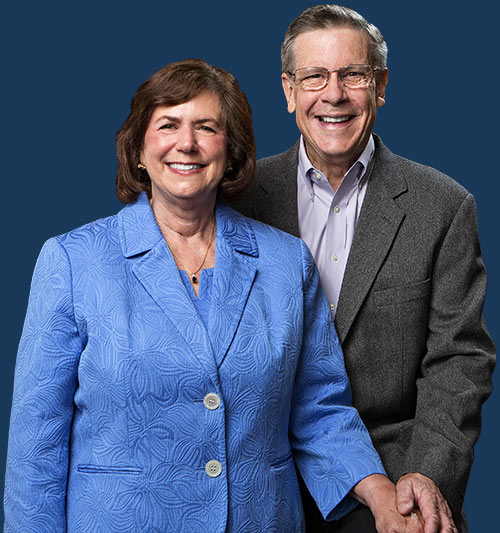
Free and open, for everyone, everywhere.
Join our learning community and become a part of the open education movement. Dive in to the wonders of psychology for free with Noba.
Try Noba for Free